
Travel experts share tips to manage body clock during coming holidays
As demand for long-haul travel continues to surge in 2026, holidaymakers are being shown some top tips to help them combat jet lag and get their trips off to a flying start. With this winter ranking as one of the wettest and dullest on record, many people will have made plans to escape the gloomy weather and jet off to sunnier climes over the Easter break.
As air passenger numbers climb and long-haul destinations become increasingly popular, many holidaymakers will inevitably find themselves struggling with jet lag, which can take some of the shine off their international getaway. When travelling across multiple time zones, the body’s internal 24-hour clock is out of sync with the destination, often leading to fatigue, insomnia, poor concentration, mood changes, headaches and other symptoms.

Travel insurance experts at Tiger.co.uk are providing some simple tips to help passengers conquer jet lag, helping them adjust to the new time zone faster and enjoy their trip from the moment they arrive.
Shifting meal and sleep schedule
One of the best ways to combat jet lag is to take steps to prevent it. A few days before travelling, it helps to gradually shift your sleep and meal schedule to match your destination – if flying east, eat meals and go to bed earlier, and if going west, shift meals and bedtime to later.
When it comes to whether you should sleep on the plane or power through and stay awake, the answer depends on what time of day it will be when you arrive at your destination.
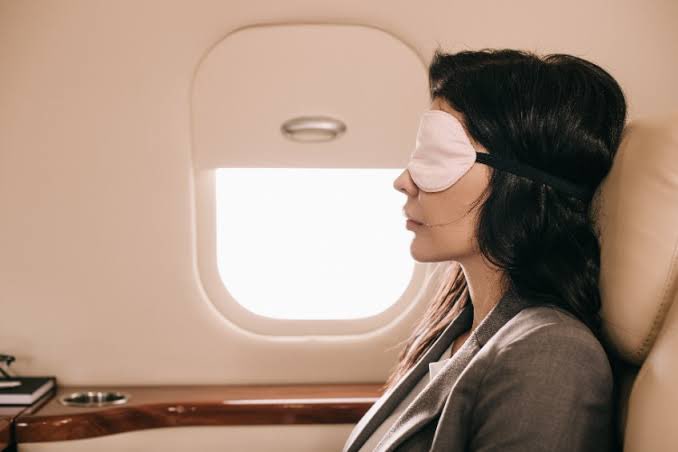
If your flight lands in the morning, getting some sleep on the plane will help you stave off jet lag. Even if you struggle to sleep on a plane, you can still benefit from some quality rest by using ear plugs, an eye mask and a neck pillow. But if the flight touches down at night, it is best to stay awake for as long as you can, that way you will be tired enough to fall asleep once you reach your hotel.

Book a flight that lands in day
Where possible, try to book a flight that lands during the day, as natural sunlight is one of the best ways to reset your body clock. While you may be exhausted from a long day of travel, avoid the urge to go to sleep when you arrive – stay awake until the local bedtime.
It may also be tempting to grab a coffee to help keep you going until bedtime, but excessive caffeine should be avoided as it can lead to dehydration and make jet lag symptoms worse. Instead, drink plenty of water and try to stay as active as possible until it is time to turn in for the day. If you absolutely need to get some shuteye, taking a short nap for no longer than 15-30 minutes can help manage fatigue – just be sure to set an alarm so you don’t oversleep.
Jet lag can often cause insomnia or broken sleep patterns, so you may want to consider speaking to your GP about taking over-the-counter or prescription sleep aids.
Ian Wilson, travel insurance expert and Managing Director at Tiger.co.uk said: “Jet lag can put a dampener on the start of your holiday, but there are some simple strategies for travellers to follow that can help make a big difference. You can prepare by adjusting your sleep and meal patterns in the days leading up to the trip, get plenty of natural sunlight when you arrive, stay hydrated and limit the amount of caffeine and alcohol you consume.
“Sleeping at the right time on the plane is one of the best ways to reduce jet lag, depending on whether you arrive during the day or at night. Once you arrive, try to adapt to the new time zone straight away by staying awake until the local bedtime – falling asleep during the day will confuse your body clock and could exasperate your symptoms.
Flying east is generally worse
“Flying east is generally worse than travelling west, as it can take longer to adjust. Jet lag normally passes within a few days to a week, and the rule of thumb is that it takes one day to recover for each time zone crossed.
“When preparing for your trip, it is also sensible not to overlook travel insurance, especially when travelling internationally. Having the right cover in place as soon as you book your holiday will help ensure you are financially protected should anything unexpected happen, such as sudden illness, delays or other disruptions.”
Tiger.co.uk can help holidaymakers find savings on all sorts of travel insurance, such as annual or multi-trip cover, insurance for families and those who need insurance for pre-existing conditions.


You must be logged in to post a comment.