
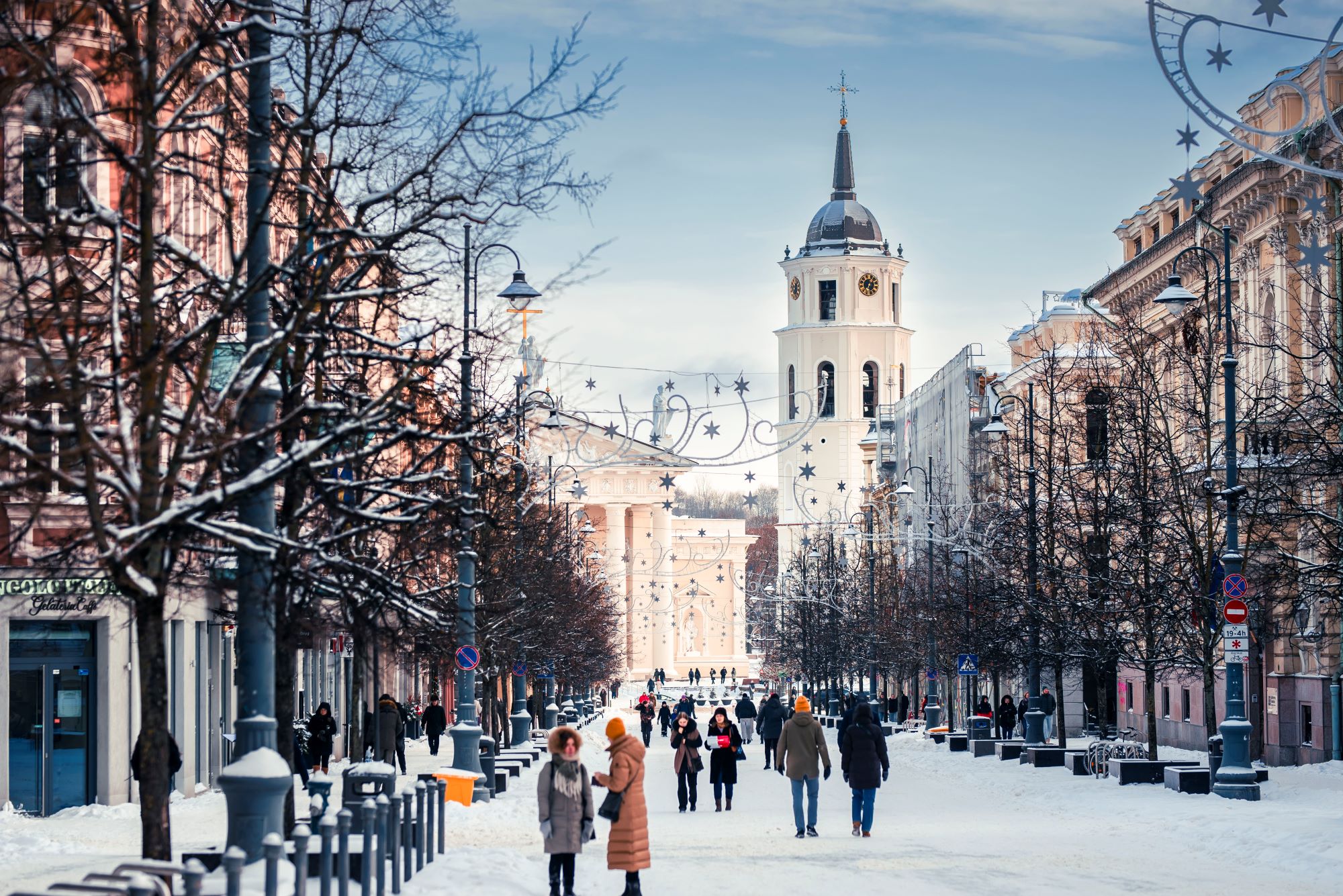
Why Vilnius is Europe’s Hidden Winter Quietcation Location
As travelers prioritize experiences that help them destress and reconnect, Vilnius offers a range of authentic analogue winter experiences to build the ideal quietcation itinerary
The latest Gallup global wellbeing report shows that 39% of adults experience a lot of worry and 37% experience stress, both decade-high levels. A recent survey found that 70% of time spent online leaves young people feeling disconnected and lonely rather than genuinely connected. As a result, quietcations – trips focused on digital detoxing, slowing down, and reconnecting with the physical world – are among the most sought-after travel experiences of 2026.
Vilnius, the capital of Lithuania, with its forests, saunas, and laid-back atmosphere, offers an authentic and convenient European option for slow travel this winter.

Quietcations meet need for tranquility and calm
Travel experts predict that quiet travel will be the dominant trend in 2026. With burnout and digital overload becoming the norm, a growing number of travelers are seeking trips that offer a genuine break from the grind. Gen Z, despite growing up with smartphones, is leading the shift: 63% now intentionally unplug, the highest rate of any generation. The result is a surge in quietcations that prioritize authentic and uncrowded locations where travelers can digitally detox. As a quietcation location, Vilnius in winter fits the bill for multiple reasons.
“Relaxing winter experiences in Vilnius range from hiking and forest bathing to skiing and saunas. And all delivered with Vilnius’ characteristic authenticity – we were recently named one of Europe’s most authentic cities. Lithuania is officially home to the happiest young people in the world, so Vilnius has a positive and laid back atmosphere that visitors can quickly tap into,” says Eglė Girdzijauskaitė, Head of Communication at Go Vilnius.
Multiple options for an ultra-personalized itinerary
One notable feature of the quietcation trend is the focus on ultra-personalization, with travelers creating bespoke itineraries based on their individual preferences. Vilnius boasts a diverse range of easily-accessible winter activities from which to create the perfect personalized program:
1. Inner-city skiing, snowboarding, and skating

Winter sports are a natural way to disconnect from screens and unwind outdoors, and Vilnius is one of the few capital cities with ski slopes within a 10-minute drive from the Old Town. While they cannot rival the Alps, the 2.6km of slopes at Liepkalnis offer a convenient and fun location for skiing and snowboarding, including night skiing sessions. There are 1 black, 3 red, 4 blue and 1 green runs (which now features a belt lift), and a ski park with various obstacles for tricks, meaning every ability level is catered for. The slopes offer views of the Old Town and the snow-covered forest surrounding the city, while the Apres ski bar serves up pizzas and refreshments.
Even closer to the city center is Vingis Park, which boasts a cross-country skiing track. Tobogoning is another popular winter option, with a number of great locations available on the hills around the city’s outskirts. If ice skating is your preferred form of frozen water fun, there is a lakeside skating rink in nearby Trakai, a 34 minute journey by train from Vilnius city center. The rink offers breathtaking views of Trakai’s 14th century island castle.
2. A wonderland for outdoor winter wellness
Surrounded by pristine forests and lakes, Vilnius is one of Europe’s greenest capitals. So, finding peaceful spots in nature is easy. One popular option is forest therapy, where guides lead slow, mindful walks and sensory exercises to connect with the forest and reduce stress. Alternatively, self-organized hikes are a great way to take advantage of the over 100km of hiking trails around the city. Popular routes include the Pūčkorių trail through Pavilniai Regional Park, the forested paths of Verkiai Regional Park, and the glacier-sculpted Ribiškės hills – all offering hilly terrain, river views, and easy access from the city center.
For those looking for something more exhilarating but with a deep connection to nature, husky rides through the forest are organised by Nuotykių Akademija, located in the countryside 45 minutes from Vilnius. Adventurous types can also try an ice dip in the Vilnelė river, with the local cold plunge enthusiast group Vilnelės Pankai meeting daily in locations like Pūčkorių Atodanga.
3. Letting off steam in the sauna

Saunas (pirtys) are a traditional way for Lithuanians to relax and recharge. A traditional Lithuanian sauna session is a full ritual: herbal infusions scent the steam, honey and salt are used for skin treatments, and sauna masters perform whole-body massages with vantos – bundles of leafy birch, oak, or juniper branches believed to have healing properties. Sauna masters can tailor sessions for groups, including women’s or men’s retreats.
Vilnius offers options ranging from rustic to refined. Ivanas Muša Gongą is a boutique-style urban sauna with locations in the city center and even inside the former Lukiškės Prison. For a more traditional experience, the bathhouses near the historic Pilaitė Mill on the city’s outskirts offer authentic rituals just a short drive from the center. With private sauna sessions starting from around €25 per person, it’s an affordable way to experience one of Lithuania’s oldest wellness traditions.
4. Losing yourself in handicrafts, films and books

Throughout the winter season, Vilnius puts on events that go hand in hand with slow travel. Kaziuko Mugė – 6-8 March, 2026 – is an annual fair of Lithuanian craftsmanship and traditions that takes over the streets of the Old Town for a weekend. Visitors can sample honey cakes and freshly baked rye bread, while browsing woven linen textiles, amber jewelry, and the fair’s signature item: verbos – colorful dried flower arrangements. For cinephiles, the International Film Festival Kino Pavasaris – 9-22 March – is one of the region’s largest film festivals, screening well over 150 films. For literature and music fans, the enormous Vilniaus Knygų Mugė (Vilnius Book Fair) runs from 26 February to 1 March, featuring talks from authors, a youth zone, and a music hall with concerts and meet-and-greets.
5. Savouring soul food

One of the most enjoyable parts of any quietcation is taking time to enjoy local culinary delights. Lithuania’s traditional winter dishes – such as cepelinai, kugelis, dumplings, and žemaičių blynai (Samogitian pancakes) – are pure comfort food, guaranteed to fill you up and warm your heart. Slow-paced fine dining experiences are also on the menu in Vilnius, with the city boasting 28 Michelin-selected restaurants, including 4 with a Michelin star. For example, Nineteen18 is a modern, farm-to-table restaurant known for its seasonal tasting menus, while Džiaugsmasoffers refined dishes in a relaxed atmosphere focused on pure flavours and simplicity.
Vilnius has also enjoyed a recent boom in high-level bakeries for indulgent treats – Augustas ir Barbora offers champagne and desserts in an instagramable interior, while Druska Miltai Vanduo is popular with locals for brunches and sweet treats.
6. A pause for inspiration
Vilnius’ uncrowded galleries and museums, all manageable in size, offer the opportunity to take a couple of hours out of your day and pause for reflection. MO Museum is Vilnius’ main modern and contemporary art gallery, featuring seasonal exhibitions, along with a sculpture garden, bistro and reading room. It also offers special mindfulness sessions when the museum is closed off to the public, providing a unique and peaceful context from which to experience the artworks. Sapieha palace, the former residence of the Lithuanian noble family, is another calm and stimulating space to explore.

Getting to Vilnius in winter 2026
Vilnius is easily accessible by direct flight from Frankfurt, Copenhagen, Helsinki, and other major cities across Europe. It also serves as a perfect base for exploring the region, with convenient transport links to Riga, Tallinn, and Poland.


You must be logged in to post a comment.