
Growing up in Dakar’s oceanside Mermoz neighbourhood, my earliest memories were of sandy feet, salt-kissed air and running freely through low-slung houses that ended right at the edge of the waves. Back then, the Senegalese capital hardly felt like a modern city. I would stand at the base of the Immeuble Kebe building and the Central Bank of West African States headquarters downtown — standing at 76 and 80 metres (250 and 262 feet), respectively — and dream of one day reaching the top. Today, these two landmarks are dwarfed by the glass-and-steel structures that have sprung up since, a testament to Senegal’s stability and steady growth in a turbulent region.

I have grown up alongside the city, which has shaped me, educated me and guided me into journalism and my current role as a visuals producer for Reuters, giving me a front-row seat to everything from fashion shows to political protests.
Here’s my guide on how to explore Dakar like a local:
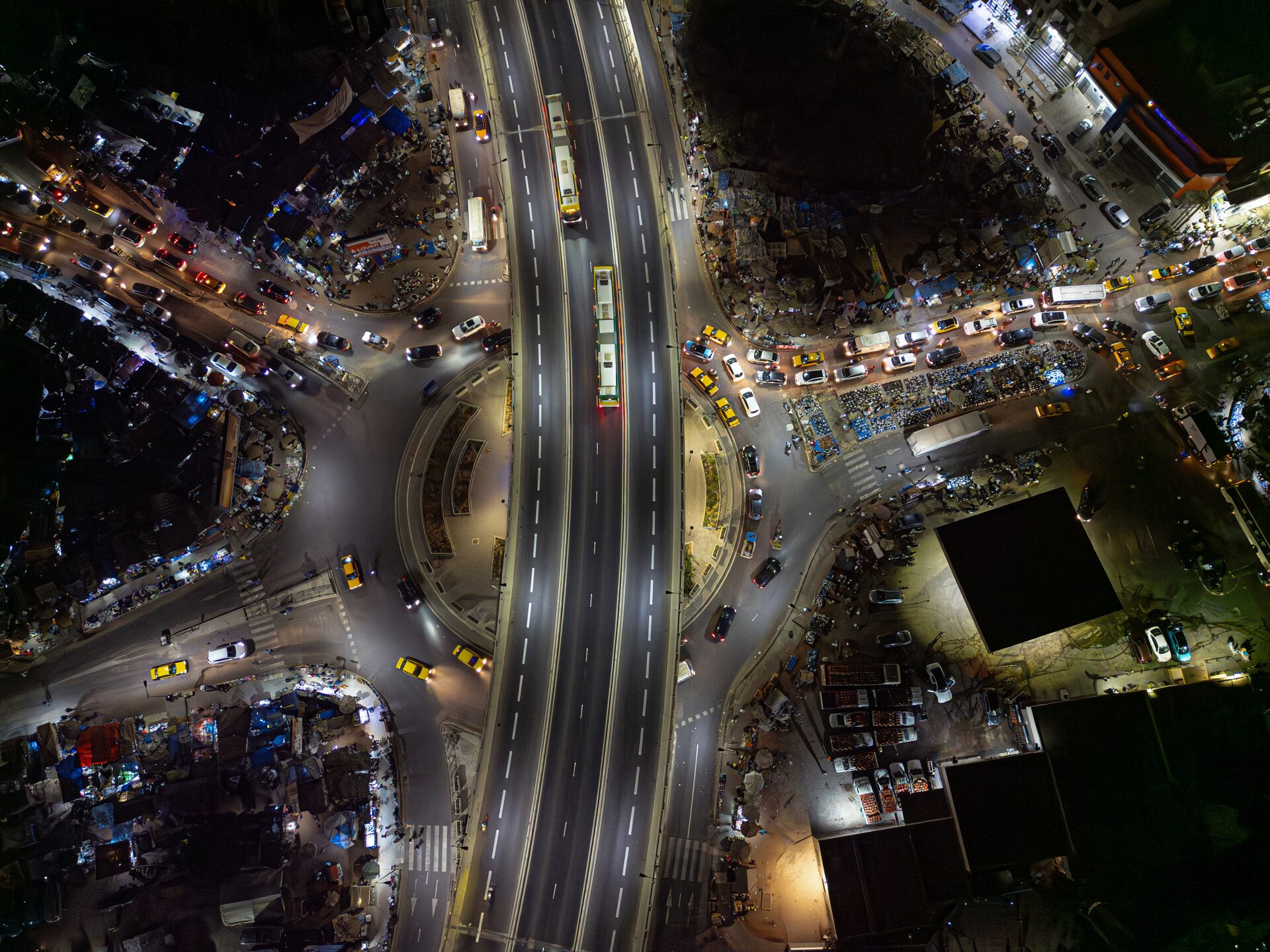
The way around: Dakar’s streets are a kaleidoscope of horse-drawn carts, yellow taxis and hand-painted minivans known as “car rapides” weaving through the gridlock. The morning commute begins at around 6 a.m., after the mosques send the first call to prayer echoing down side streets. Horses, taxis and express trains then rattle into life. While well-to-do commuters can now use ride-hailing apps like Yango or Heetch for relatively seamless journeys, you’ll still need a healthy dose of patience to get to your destination.

Getting outside: At sunrise, joggers and weightlifters converge on Dakar’s iconic Atlantic-facing Corniche. At the bottom of the towering African Renaissance Monument — built in 2010 by a North Koreanconstruction company and standing at 49 metres (160 feet) tall— open-air fitness stations hum with group classes scored to pulsing mbalax dance music. A short drive north takes you to Lac Rose, where kayaking and quad rentals are available. Whether you’re sprinting along the promenade or paddling in the pink-hued lake, Dakar’s outdoors will test your endurance while giving you plenty to marvel at.

The national dish: In the Marche Kermel, a downtown market, the midday rush is punctuated by the clatter of bowls bearing thiéboudienne — Senegal’s legendary rice, fish, tomato and onion stew. For a mere 700 CFA francs ($1.20) you canenjoy a bowl for lunch, joining the office workers lining up at cinderblock stalls. Or upgrade to the 12,500 CFA ($21) plate on offer at the oceanside Terrou Bi Hotel. The inventionof thiéboudienne is traced back to Penda Mbaye, achef in the Senegalesecity of Saint-Louis, but today each family has its own fiercely guarded recipe. Eat with your hands, share from a communal platter and — if you’re in the market — listen to fishermen discuss the catch of the day. Here, food is memory, identity and celebration all in one.

Cultural dress: True Dakarois, as the locals are known, dress to impress regardless of budget. On Fridays, the city erupts in a riot of bright fabric. Whether ordered from humble tailors in Dakar’s downtown Plateau neighbourhood or the high-end ateliers of Virage, nearly everyone dons elaborate wax or bazin boubous, or robes — men over loose pants, women with matching wrappers. Ready-mades at HLM market start at 15,000 CFA ($25), while high couture by So’Fatoo and L’Artisane can run up to 130,000 CFA ($225). Emerging designers like Mushei and Afshal add some streetwear edge, while Amossa’s bespoke creations grace runways worldwide.
Hot ticket: Sunday nights are for “lamb,” or traditional wrestling in Senegal’s Wolof language: a signature spectacle of pounding drums, where fans — many in body paint — chant the names of storied champions like Balla Gaye 2 and Modou Lo. The arena is transformed into a modern-day celebration of centuries-old rituals celebrating strength and honour. Held in the Chinese-funded National Arena, tickets start at just 2,500 CFA (just under $5). While crowds can turn rowdy, locals insist the passion never tips into actual violence — this is community catharsis, not chaos.

Getting away: Just 90 minutes south of the city, a stretch of coast known as La Petite-Côte offers beaches and breathing room. Popenguine’s coastal trails wind through bird-filled mangroves. Ngaparou hosts colourful weekly markets. Toubab Dialao’s white-sand bays are ideal for kayaking. And Somone’s lagoon glows pink at sunset. Saly may be the flashiest of the seaside resorts, but you’ll find budget guesthouses and family-run seafood shacks everywhere. No car? Surf lessons at Ngor Point or sunset dives off Ouakam Beach bring you sea breezes well within the city limits.
Faux pas: In Dakar, respect is more than manners — it’s currency. Every encounter opens with a hearty Wolof greeting: “Naka nga def? Jamm rekk?” (“How are you? Peace only?”). Always ask after family, remove your shoes indoors, never offer your left hand, and keep your voice calm even when bargaining at the hot, crowded Soumbédioune fish market or stuck at a traffic checkpoint. A warm smile and some playful banter will take you much further than any complaint.

CITY MEMO DATA POINTS
Price of a coffee: 100 CFA francs ($0.17) for a glass of the local staple Café Touba, a coffee drink infused with peppercorns and cloves that is sold by mobile vendors across the city.
Price of a bottle of water: 240 CFA francs ($0.41) for 1.5 litres of Casamancaise bottled water.
Great place to see a sunset: Phare des Mamelles, a hilltop lighthouse, and Pointe des Almadies, Africa’s westernmost point.
Biggest university: Cheikh Anta Diop University,90,000 students
Price of gas: 990 CFA francs ($1.70) for one litre. (Ngouda Dione/Reuters)


You must be logged in to post a comment.