
A city that bridges Europe and South America like no other
Buenos Aires is a habit I can’t kick. Bold, beautiful and sometimes maddening, the capital of Argentina is a seductive mix of BelleÉpoque palaces, leafy plazas, modern museums, and graffiti-covered alleyways. Locals, known as “porteños,” live for late-night dinners and dancing.
I first lived here as a student, then as a reporter, and these days regularly cross the river from my base in Montevideo as Reuterscorrespondent covering the Southern Cone. These last two decades have been marked by cycles of boom and bust for Argentina: rocketing inflation, soccer triumphs, and political dysfunction. My porteño grandfather, born in 1928 to a Scottish immigrant family, described his early years in the city much the same way.

Economic strife is woven into daily life. Inflation is so persistent that Argentines discuss it like Brits talk about the weather. Yet these financial woes have spurred innovative entrepreneurship and a fierce determination to have a good time. Stylish clubs, wine bars, and café terraces spill onto sidewalks. There are theaters, tango halls and barbecued steaks, washed down with a hefty pour of red wine. “People here are courageous, driven and full of suffering,” one resident told me. They are eager to debate, dine and dance every night of the week, in a city that bridges Europe and South America like no other — and I’m hooked.
Here are my top tips forexploring this city like a local:
Biggest misconception: That Buenos Aires, and by extension all of Argentina, can be reduced to steak, tango, and Malbec. Limiting yourself to these three is to do the capital a disservice. An ever-expanding culinary scene is elevating plant-based produce (and, finally, seafood!). Winemakers beyond Mendoza are experimenting with new blends, from Jujuy in the far north to Patagonia in the south. And while tango is still intrinsic to the city’s night life, there’s also abundant art, theater and live music for every taste. “It’s a city that’s constantly reinventing itself,” says Paige Nichols, who moved to Buenos Aires 18 years ago from Washington DC, and runs tours of the city for visitors. “(It’s) a buzzy, enticing hub for creative spirits and curious souls.”

Cash is king: Economic volatility and a government-controlled exchange rate make cash the most practical way to pay in Argentina. The official exchange rate is set by government mandate rather than market demand, meaning foreign card payments often result in unfavorable conversions. Furthermore, American Express is rarely accepted and ATM withdrawals with foreign cards are unreliable. My advice: Come armed with U.S. dollars in cash, which can be exchanged for pesos at street “cambios,” and use cards to pay for bigger ticket items. Most shops and restaurants offer discounts for cash payments, and restaurant tips are always in cash.
Take a walk: Buenos Aires is one of Latin America’s most walkable cities, with streets set out in a grid system and lined with French-influenced architecture. Crime rates are in line with that of Naples, Italy, or Houston, Texas, according to a mid-year 2025 survey by Numbeo — low for the region, but avoid displaying expensive items while meandering the streets.

Start in Recoleta, the city’s grandest neighborhood, where jacaranda trees, cafes, and boutiques line elegant boulevards. Stroll along Libertador Avenue toward Alvear Avenue to shop for leather goods, then visit Recoleta Cemetery and the El Ateneo Grand Splendid bookshop, housed inside a former theater where the original stage curtains still hang. From there, head downtown to the foot of the 14-lane 9th of July Avenue, where one of the world’s great opera houses, the Teatro Colón, fills an entire block. A giant mural of Eva Perón gazes out from a nearby government building — her husband’s political movement, Peronism, has shaped Argentine politics for nearly eight decades. Corrientes Avenue is lined with legendary pizzerias, or try one of the many “bares notables” like Los Galgos for lighter, tapas-style bites.
Just past the bustling downtown is the historical neighborhood of San Telmo. Pull up a chair at Turvina to sample wines by the glass before visiting El Zanjón, a labyrinth of 16th-century tunnels underneath a 19th century mansion.
From there take a bus or taxi to La Boca, the port area where millions of Europeans like my grandfather’s family arrived at the turn of the 20th century. This artistic quarter of brightly colored homes includes several noteworthy galleries like Proa. For sports fans, a match at Boca Juniors’ legendary stadium La Bombonera is a must — the atmosphere is electric. Boca does have a reputation for crime, so stick to busy streets here.
Nightlife: Porteños are night owls who sleep little, and dance late. Dinner is rarely served before 9 p.m. and entertainment stretches well into the night.

With over 200 theaters, Buenos Aires rivals cities like London for the sheer magnitude of performances available on any given night. Tickets are affordable, typically costing between $5 and $15. One favorite is Microteatro, which stages 15-minute plays inside intimate studios. Between acts, theatergoers sip vermouth in a cozy indoor patio.
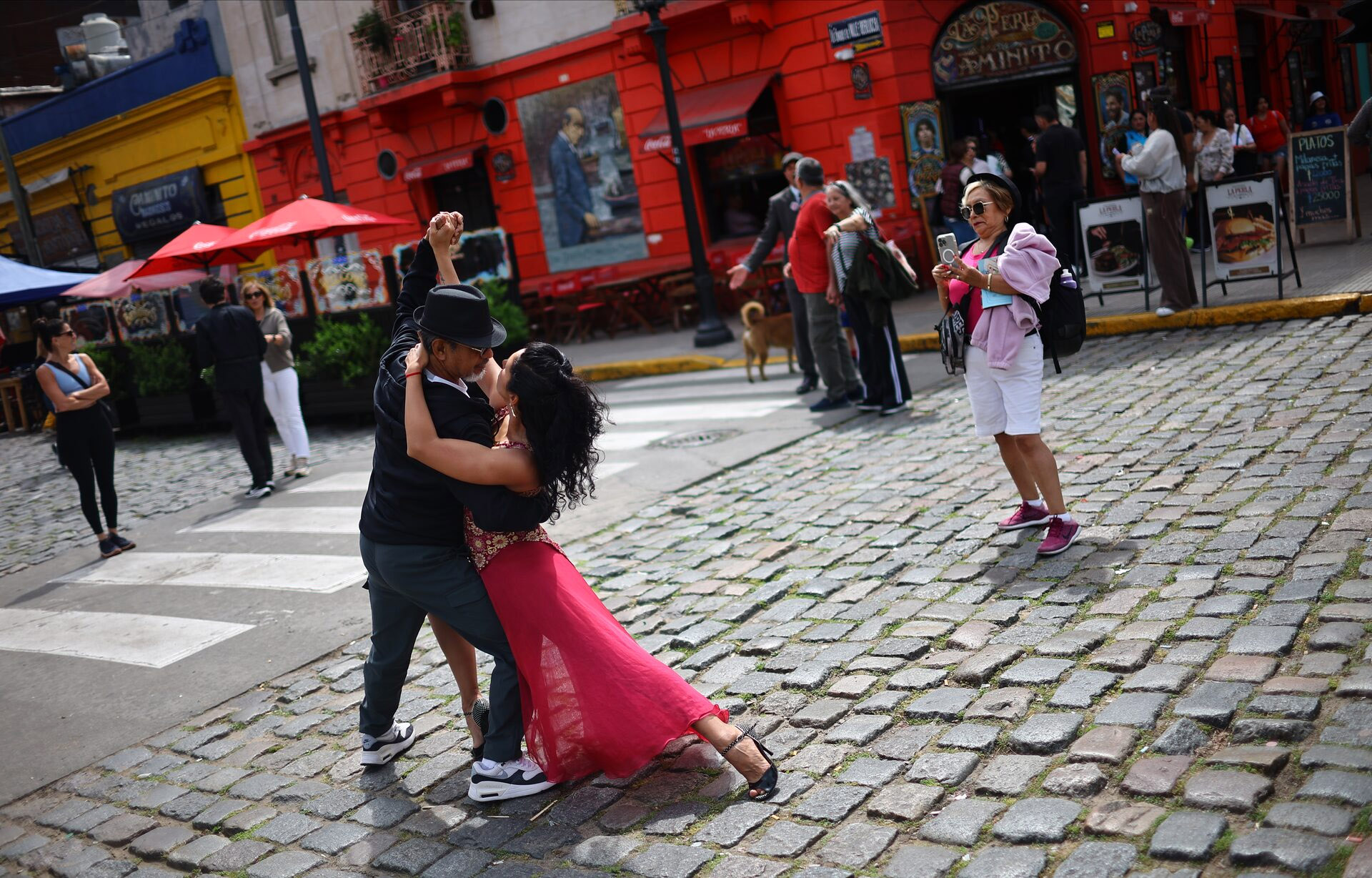
If tango is on your list, drop into La Viruta or La Catedral, a vast graffiti-covered hall where you can watch or join in. Want to take it late? Nightclubs suffered during the pandemic, but they’re back and the party usually lasts well after sunrise: try Art Lab, which combines artistic projects with music, Niceto for international acts and Kika Club for dance music.
Public bathrooms: The recently renamed Palacio Libertad is a Wes Anderson-esque cultural center with one unexpected perk: abundant, well-maintained bathrooms. Originally named the Centro Cultural Kirchner after former Peronist leaders Néstor and Cristina Kirchner, the building’s political symbolism may be shifting under President Javier Milei, but its free-to-enter facilities remain top-notch. It’s an ideal pit stop while exploring downtown, especially if you need a break from sightseeing. While inside, take time to wander through the many exhibits that occupy its floors.
The definitive food item: An “asado” barbecue is more than a meal — it’s a ritual that connects city dwellers to the gauchos of the fertile Pampas that stretch out to the south and west of Buenos Aires. Steakhouses (parrillas) are everywhere. Parrilla Peña near the Reuters bureau downtown is the real deal and serves courtesy meat empanadas while you wait. For something more upscale, try Corte Comedor or Madre Rojas.

Sports club canteens offer a taste of Argentina’s soccer culture. At Los Bohemios in Villa Crespo, generous portions of milanesa (breaded schnitzel) come with fries or mash. Soccer jerseys line the walls, and the sound of a referee’s whistle often echoes from nearby fields. Save room for a juicy steak sandwich (lomito) at La Rambla, a gold-standard meal that delights tourists and locals in equal measure on the corner of Posadas and Ayacucho in Recoleta.
Vegetarians aren’t left out these days — order stuffed red peppers or sweet potato with chimichurri at a parrilla. Veggie restaurant Chuí was selected by Argentina’s Michelin Guide, while Artemisia and Naranjo in the trendy Chacarita neighborhood offer a wide range of meat-free dishes paired with local wines.
Getting away: Daily ferries connect Buenos Aires with Uruguay, Argentina’s quieter neighbor across the Rio de la Plata. Round-trip tickets start at around $60, with a swift 45-minute journey to the sleepy colonial town of Colonia from Puerto Madero. Alternatively, opt for a direct three-hour ride to Uruguay’s waterfront capital, Montevideo, where beaches and sailboat docks line the coast.

CITY MEMO DATA POINTS
Population: 3.1 million, with the greater metropolitan area home to over 15 million, according to the latest 2022 census.
Price of a cup of coffee: 5,000 pesos ($3.60) for an Americano or 8,000 pesos for a cafe con leche at Caffe Tabac, a timeless all-day corner cafe where Diego Maradona was a regular customer and the terrace is perfect for people watching.
Carafe of house red: from 6,000 pesos ($4.30) at a local parrilla.
Largest university: Universidad de Buenos Aires (UBA), with 116,000 students, is one of the largest in Latin America. Ernesto “Che” Guevara studied here.
Best season: Spring runs from September to November, when purple jacaranda trees are in full bloom. Summer (December-March) is hot and humid, much like New York.


You must be logged in to post a comment.