
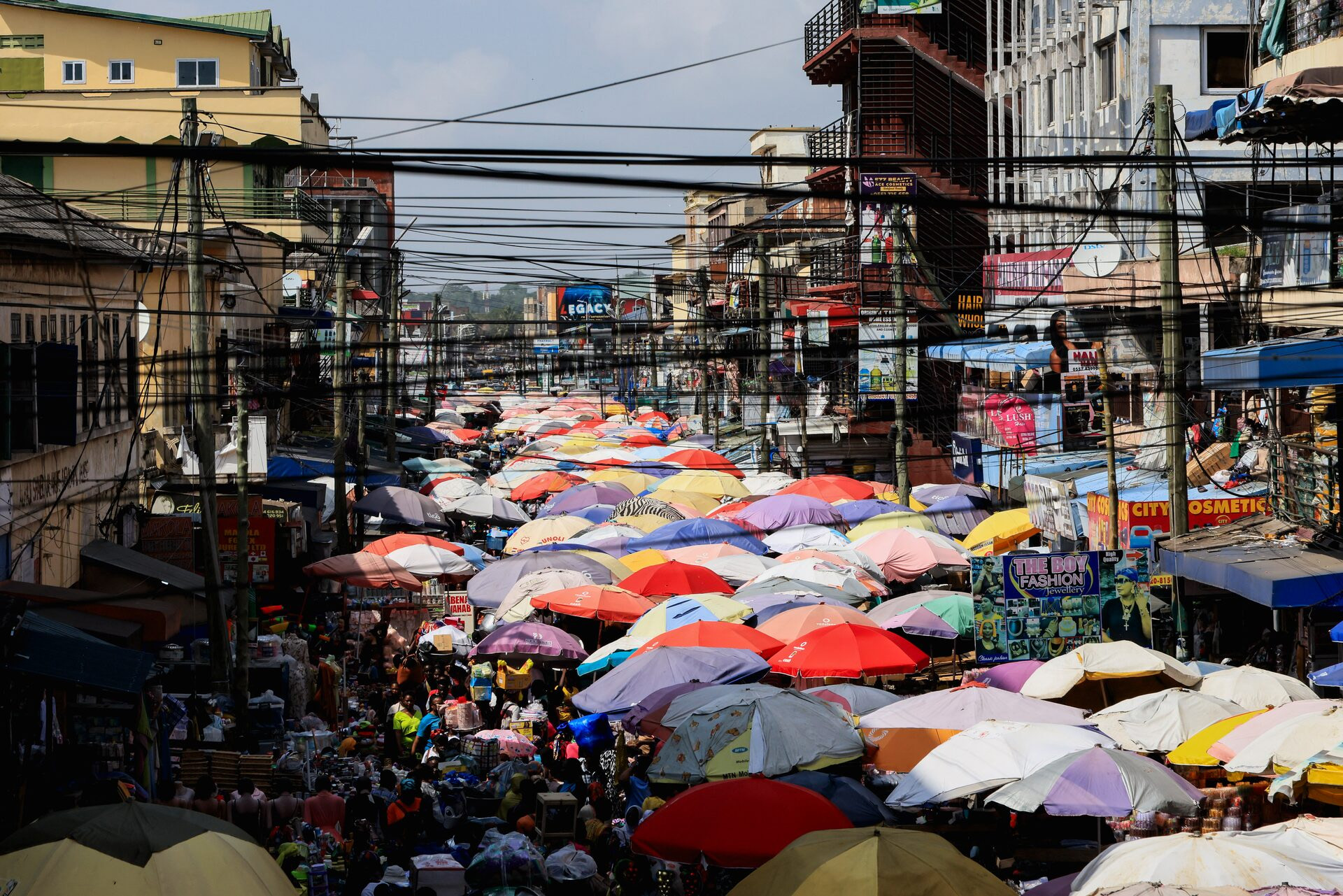
Ghanaian capital’s real energy remains in its streets
I’ve lived in Accra my entire life, and have spent more than a decade reporting from here, most recently for Reuters. I’ve watched firsthand as high-rises have transformed the previously low-slung and sprawling skyline of a city once described as a “giant village.” It’s not just the buildings that signal change. Tech startups are booming, and digital payments have become so woven into the fabric of daily life that even street hawkers selling water and eggs operate using mobile money.
Upscale neighbourhoods like East Legon and Airport City are brimming with restaurants, cafes, gyms and shopping malls, as well as commercial complexes that rival those of larger global cities. Yet for all this innovation, Accra’s real energy remains in its streets. That’s especially true in Osu, the perfect mix of coastal views and all-night pubs and clubs that keeps visitors coming back and locals like me never wanting to leave.

Here’s how to experience the Ghanaian capital like a local:
The way around: Some taxi drivers will try to inflate prices once they sense you’re not from here, so ride-hailing apps like Uber and Bolt are your safest bet. But if you want the real Accra experience, take a “trotro” — shared minibuses run by two-person teams: a driver and a “mate” (conductor) who collects fares, calls out stops and argues and jokes with passengers.
At one of the many stations and bus stops scattered across the city, you can ask which trotro is going your way — Ghanaians are generous with directions. A typical short trip costs between three and eight Ghanaian cedis (under $1). Pass your fare down the row and your fellow passengers will hand it to the mate and pass back any change. And don’t be surprised if preachers hop aboard to evangelize, or vendors seek to sell their wares.
Accra traffic is legendary. Everyone has a story: a wedding nearly missed, an important meeting joined by phone from the road. Google Maps is effective for changing routes on the fly, but the real secret to success is acceptance. Build in extra time, roll down your window, buy a snack from a hawker and watch the city go by.
The definitive food item: If there’s one dish that captures the eclectic spirit of Accra, it’s waakye. Made of rice and beans boiled with millet leaves that yield a deep burgundy colour, the dish’s magic lies in the add-ons: fried plantains, spaghetti, boiled egg, shito (a hot chilli sauce), gari (a flour made from cassava root), meat, fish, even salad. Waakye crosses class lines. You will find it at street stalls serving market traders and chic brunch spots frequented by executives.

Buying waakye isn’t a solitary act: you queue, chat, and watch the vendor compose your plate like an artist. Popular joints like Rockz Waakye, open 24/7, and Anadwo Waakye, with locations in East Legon and Labone, have cult-like followings.
To buy: If you leave Accra without Ghana-made chocolate, you’ve missed the city’s best bargain — and one of its purest forms of craftsmanship. Ghana is the world’s second-largest cocoa producer behind neighbouring Ivory Coast. For decades, Ghana supplied the world with cocoa but imported most of its finished chocolate. That’s changing fast as a new generation of local chocolatiers reclaim the bean-to-bar story. You will find the best bars at Marina Mall or boutique outlets like 57 Chocolate in East Legon, Niche Cocoa Company in Tema, and COCOBOD Cocoa House in Adabraka. Prices range from 25 to 80 cedis (roughly $3-8) per bar.


For a more immersive shopping experience, head to Makola Market, Accra’s biggest and most chaotic market area, where you can find anything from vibrant African prints to household goods, spices and traditional crafts. It’s sensory overload in the best way, and the place to go if you want to see the commercial heart of the city in full swing.
The faux pas: Forgetting greetings and basic courtesies is the fastest way to get on the wrong side of an Accra native. In Accra, greetings are social glue. Walking into a shop or a meeting or even approaching a security guard without saying “Good morning” or “Good afternoon” can come across as cold and rude, and you might not like the feedback. In markets or religious sites, snapping photos of people without asking is also considered intrusive and can draw sharp words. The fix is simple: Always start interactions with a greeting. Even a nod and smile go a long way.

Biggest misconception: First-time visitors often brace for danger — robbery, scams, political instability — only to discover a city that’s remarkably calm and community-minded. Street crime is minimal compared to many global capitals, and people look out for one another. If your car breaks down or you look lost, strangers will likely stop to help. Accra can be disorganized, yes, but its chaos is social rather than threatening. That said, you should stay aware of your surroundings as in any big city, and watch out for pickpockets in crowded areas such as bus stations.
The hot ticket: If you’re in Accra in December, you’re in for a treat. Normally referred to as “Detty (read: Dirty) December,” the city explodes with concerts and festivals, all pulsing with Afrobeats music and drawing crowds from across Africa and the diaspora. Concert tickets range from 150 to 500 cedis (between $14 and $18), depending on the artist and venue.


There are also year-round live-music options. Republic Bar in Osu hosts live bands and DJs with no cover charge. Try the popular Kokoroko (made of bissap, a tart hibiscus-flavoured drink, with a splash of alcohol and mint) or ginger shots, a potent mix of local gin and ginger that’s not for the faint-hearted.
For cultural experiences, visit the Arts Centre in Accra for traditional dance, drumming and storytelling, or stop by Kwame Nkrumah Memorial Park, built to honour Ghana’s first president, Dr. Kwame Nkrumah, who led the country to independence in 1957.

A weekend essential: the Jamestown Lighthouse, best experienced with a side of hot kenkey (a traditional dish made from fermented corn dough) and pepper from one of the street vendors. Jamestown is famous for the best kenkey in Accra.
Getting away: When I need to escape Accra’s hustle, I head to the coast. Accra is blessed with a string of beaches along the Atlantic, some with evocative names like Sandbox and Rehab. Most are 15-30 minutes by car from the city centre.
If you want to venture further, Kokrobite town, located 30 km (19 miles) west of Accra, offers a quieter, more bohemian vibe. Relax, enjoy the breeze, read a book and sip on a cold drink while watching the waves. Entry is free at most spots, though Labadi and Laboma beaches charge between 20 and 50 cedis (roughly $2-5) depending on the day. It’s the perfect antidote to the city’s noise, a place to refresh and restart before diving back into the crush of Accra.


CITY MEMO DATA POINTS
Price of a cup of coffee: 45 cedis (roughly $4) at Breakfast to Breakfast, Osu. Order it black and strong. Locals don’t fuss with extras.
Price of a scoop of ice cream: 15 cedis (roughly $1.50) at Celsbridge or 30 cedis (roughly $3) at Pinocchio.
Great place to see a sunset: Labadi Beach or Jamestown Lighthouse
Essential reading: “Ghana Must Go,” the 2013 novel by Taiye Selasi, captures the Ghanaian diaspora experience and the pull of home. (Emmanuel Bruce/Reuters)


You must be logged in to post a comment.